

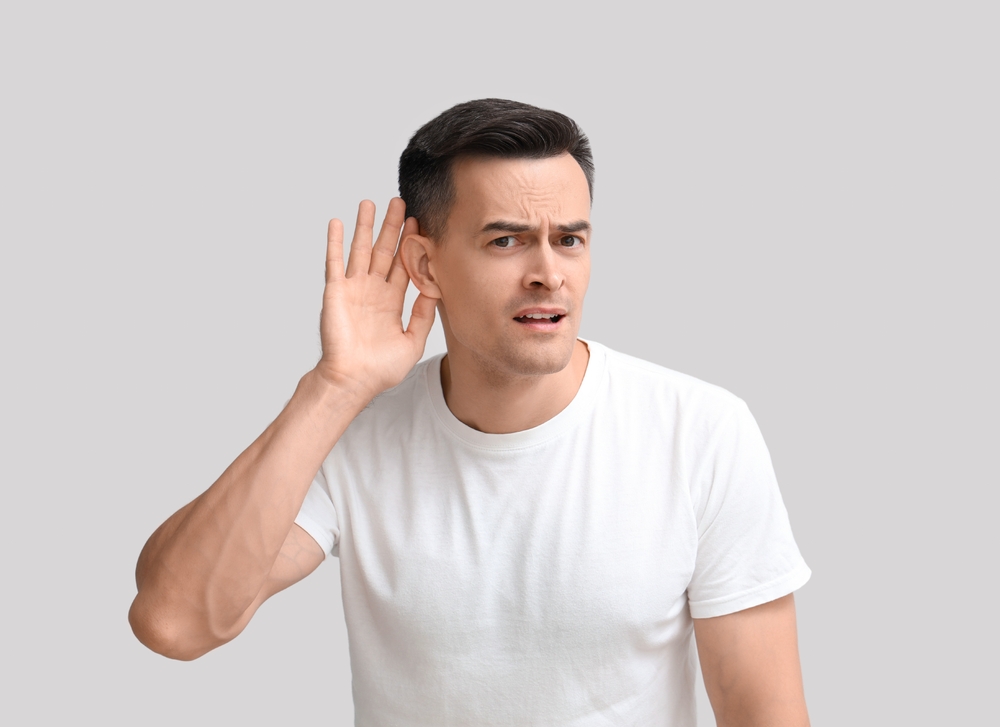
Have you noticed a distinct sense of exhaustion after participating in lengthy verbal interactions?
It is easy to misattribute this fatigue to general stress, lack of sleep, or sensory overload. It is well-documented that social interaction requires significant energy for introverts and those with sensory integration challenges. In many instances, this persistent drain is the result of a condition called auditory fatigue.
Essentially, auditory fatigue is the result of the brain over-functioning to compensate for poor sound quality. When hearing is not as clear as it should be, the brain often tries to fill in missing pieces of speech and interpret unclear sounds, which takes significant mental effort. Sustained periods of this “effortful listening” eventually lead to total cognitive depletion.
Many people mistake auditory fatigue for ordinary tiredness. Critically, this exhaustion is often a primary indicator of underlying auditory pathologies. A professional diagnostic evaluation is necessary to confirm if hearing loss is the root cause of your exhaustion. If you notice this pattern happening regularly, talk to your provider about determining whether hearing loss is contributing to your symptoms.
Identifying the Core Drivers of Listening Exhaustion
Various stressors can overtax the auditory cortex, leading directly to the onset of auditory fatigue.
Why Untreated Hearing Impairment Causes Fatigue
Failing to address hearing loss is a major factor in the development of persistent auditory fatigue.
When the ears cannot detect certain sounds clearly, the brain tries to compensate by filling in gaps. This constant guesswork increases listening effort, which can quickly lead to mental exhaustion during conversations.
Noisy Environments
Acoustically complex settings serve to intensify the demand on the brain’s filtering systems. Loud public spaces, corporate boardrooms, and large social gatherings typically feature high levels of competing ambient noise.
The presence of competing sounds forces the brain’s “noise-cancellation” filters to work at maximum capacity. This process can create cognitive overload, especially for people with hearing loss (even mild cases).
How Internal Noise Increases Listening Effort
The presence of tinnitus creates a dual-processing burden, forcing the brain to manage both phantom internal signals and legitimate external sound.
Degraded signal quality resulting from hearing loss forces the auditory cortex into an inefficient processing loop.
Clinical Red Flags for Auditory Fatigue
Symptoms of auditory fatigue typically bridge the gap between mental clarity and physical stamina. Patients often present with the following indicators:
- Sense of being “wiped out” after a basic discussion
- Difficulty concentrating during meetings or group discussions
- Headaches after long listening periods
- Increased emotional volatility in loud or busy environments
- A tendency to “tune out” or physically leave social gatherings
- Needing a nap or quiet time after social interaction
Frequent presentation of these symptoms is a clear sign of neurological auditory over-exertion.
Why Hearing Loss Makes Your Brain Work Harder
When hearing is clear, the brain can process speech almost effortlessly. However, when hearing loss is present, the brain must allocate more cognitive resources to decode sounds.
In clinical literature, this phenomenon is identified as a surge in cognitive load. This energy shift often leaves the patient struggling with recall and attention while they try to listen. Over time, this extra effort can leave you feeling mentally depleted. Even short conversations may require more concentration than they should.
Diagnosing the Source of Your Fatigue
When fatigue becomes a daily burden, a professional evaluation provides the necessary data for a solution. A full audiological exam involves testing your threshold for various frequencies and your word-recognition score. Testing your hearing in a noisy context is vital for identifying the true drivers of your social exhaustion.
The results of a hearing test provide the roadmap for addressing both the impairment and the resulting burnout. Identifying hearing changes early allows treatment to begin sooner, helping reduce listening strain before it begins affecting daily activities and social interactions.
The Benefits of Audiological Rehabilitation
The right hearing treatment acts as a “pressure release valve” for the brain’s processing centers.
Current digital technology restores the signal-to-noise ratio, providing the brain with a cleaner audio feed. The brain can finally rest, receiving data that is easy to interpret and understand.
With restored hearing clarity, you will likely see a boost in:
- A feeling of being more “awake” and present throughout the day
- Focus during conversations
- Comfort in social settings
As the brain stops struggling to hear, the world of sound becomes a source of joy rather than a source of stress.
Timing Your Audiological Evaluation
You should prioritize an audiological consultation if the following conditions apply:
- You experience burnout after standard verbal interaction
- Loved ones notice that you frequently require clarification during talk
- Following a group talk in a restaurant feels nearly impossible
- Social withdrawal is becoming your default response to difficult acoustics
Addressing hearing concerns early can help reduce listening strain and improve overall quality of life.
Frequently Asked Questions: Auditory Fatigue
Distinguishing Between Exhaustion and Impairment
No. Auditory fatigue refers to the mental exhaustion caused by intense listening effort. While they are different, hearing loss is the direct driver of most fatigue cases.
Can hearing aids reduce listening fatigue?
By performing the filtering for you, hearing aids dramatically reduce daily mental exhaustion.
Is This Exhaustion a Permanent Condition?
Typically, this fatigue is transient and resolves once the auditory system is supported by clinical care.
Reclaiming Your Energy After Social Events
Daily dialogue should not be a source of profound cognitive depletion. If you are suffering from chronic post-social burnout, your auditory system is likely over-exerting itself.
Don’t wait for the burnout to get worse; schedule your audiological check today. Reclaim your social life and your energy by getting the truth about your auditory health today.