

Sound dampening can be disorienting, often making you feel isolated from the world around you. Many people immediately fear they’re experiencing irreversible hearing loss when, in reality, the culprit may be something much more basic: cerumen accumulation.
Understanding the distinction between earwax buildup vs. auditory loss can help you know when a simple solution is possible and when it’s time to seek a hearing evaluation. If you’re experiencing muffled hearing, don’t panic. While only an audiologist can verify the cause, understanding these key markers of earwax vs. auditory decline can provide immediate insight.
Identifying the Symptoms of Canal Obstruction
Earwax is actually a beneficial, natural secretion intended to shield the ear canal from dust and foreign debris. The trouble starts when this material collects to the level of a tangible blockage.
Symptoms of a blockage often include:
- A noticeable decrease in hearing level
- A sensation of pressure or clogging in the ear
- Physical sensitivity or focused aching in the ear
- Ringing in the ear (ringing)
- Moments of sharper hearing following a jaw stretch or chewing
Earwax-related hearing problems are often uneven, affecting one ear more than the other. Luckily, once surplus wax is professionally removed, hearing often returns to normal instantly.
What Hearing Loss Feels Like
Unlike a temporary blockage, sensorineural hearing impairment usually advances slowly over years and is not resolved by cleaning the ear.
Signs of true auditory impairment may feature:
- Battling to track conversations when ambient sound is audible
- Regularly needing clarification during everyday dialogue
- Increasing the TV or phone volume higher than others prefer
- Difficulty detecting high-frequency sounds
- Two-sided hearing shifts that affect both ears at once
Contrasted with earwax buildup, auditory impairment doesn’t typically cause a feeling of obstruction or fullness.
Contrasting Wax Buildup and Hearing Loss
By looking at the timing and particular symptoms, you can often identify which condition is affecting you:
- Timing: Blockages can feel instant, while auditory decline is almost always gradual
- Resolution: Cerumen hearing shifts are typically temporary; auditory impairment is frequently permanent
- Sensations: Fullness and discomfort suggest wax; word intelligibility challenges indicate loss
- Laterality: Cerumen often affects a single ear; auditory impairment commonly impacts each
The Dangers of DIY Cerumen Removal
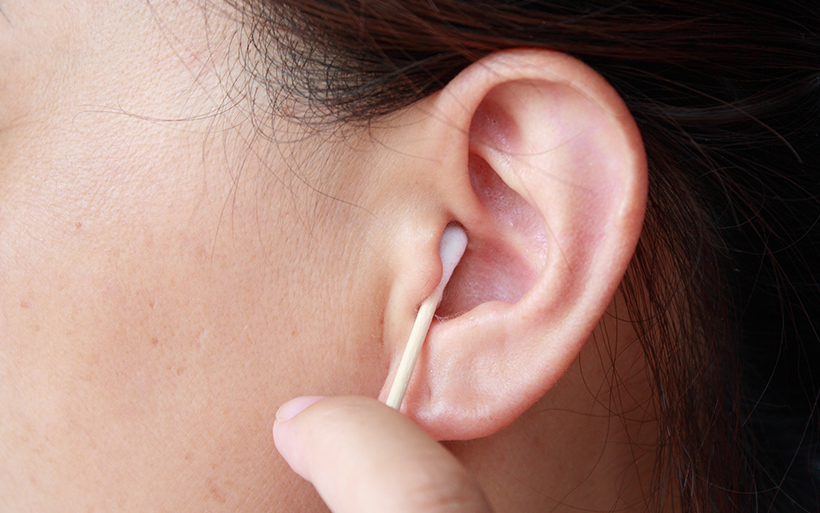
When hearing feels dampened, the instinctive desire is to use a cotton bud, but this is frequently a dangerous decision. Unfortunately, these can shove wax further in and exacerbate the problem.
Based on data from the National Library of Medicine, placing items into the auditory canal increases the likelihood of impaction and injury.
Similarly, neglecting early hearing loss can postpone treatment that assists in preserving interaction, security, and quality of life.
What to Anticipate Throughout a Professional Appointment
A quick professional exam is the primary way to confirm if wax is actually the cause of your dull auditory issues.
If wax is present, clinical extraction often resolves symptoms immediately.
When the canal is unobstructed but sound is still muffled, a clinical test is necessary to evaluate your auditory health.
Clinicians urge an instant hearing check if you begin struggling to interact or manage your environment.
Final Points on Earwax and Hearing Wellness
Muted sound is hardly a definitive sign of long-term loss.
It is often the case that a basic, resolvable blockage is the root of the issue.
A professional evaluation will provide you with the clarity you need to move forward without concern.
Keep in mind: The only reliable way to tell the distinction between earwax buildup and auditory impairment is with a clinical evaluation.
Finding clarity early can avert pointless stress and guarantee you obtain the right treatment at the optimal time.
If you’ve noticed a change in your hearing, call our clinic for a formal evaluation immediately.