

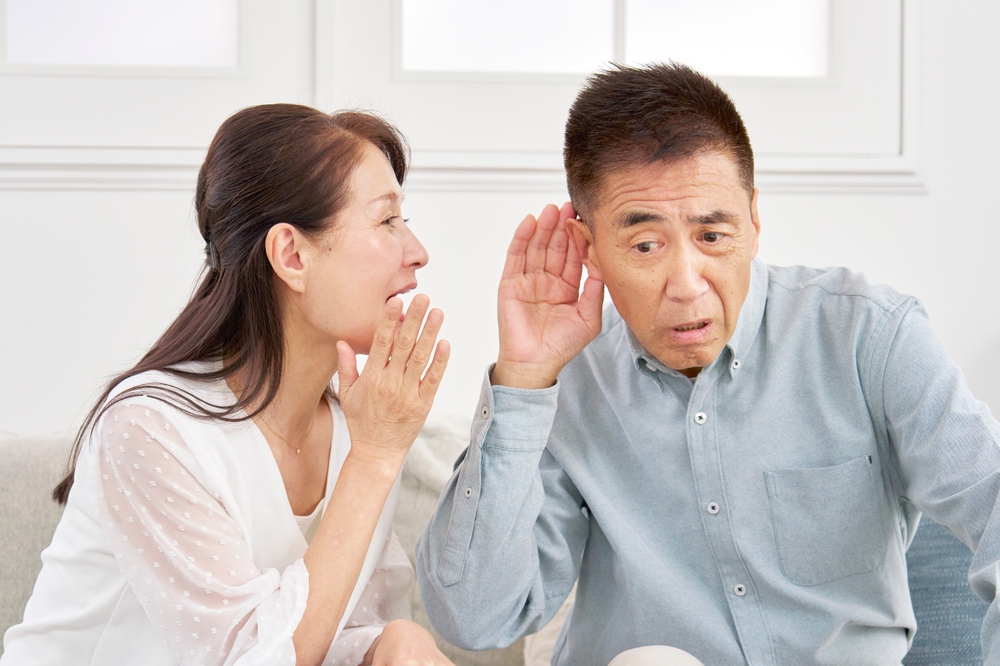
Prevalent myths regarding hearing loss frequently act as a barrier to necessary audiological treatment. And with hearing loss, getting the right care at the right time is critical. Adhering to standard hearing myths often leads to diagnostic delays and a measurable decline in life quality.
If you have concerns about your hearing, knowing the truth (and the myths!) can help you make informed decisions about your health and proceed with greater confidence. We will now examine seven prevalent auditory myths and the clinical evidence that refutes them.
Myth: Hearing Impairment is Solely a Condition of Aging
Though presbycusis is a standard clinical finding, hearing loss impacts every biological demographic. Auditory challenges in children and young adults often stem from noise pollution, heredity, or pharmaceutical side effects.
Labeling hearing loss as a senior-only problem often causes younger patients to overlook critical early warning signs.
Myth: Hearing Perception Rules Out Impairment
Clinical hearing loss exists on a spectrum and rarely results in immediate total silence. Often, the issue is not a lack of sound but a lack of speech intelligibility in social settings. Between perfect hearing and total hearing loss is a wide spectrum of hearing challenges.
Early symptoms frequently manifest as “cocktail party effect” struggles or a need for constant clarification from speakers. These markers represent initial auditory shifts that warrant a professional evaluation.
Hearing Impairment: More Than a Social Nuisance
Untreated hearing loss can affect more than just communication. Research has linked unmanaged hearing loss to social withdrawal, increased stress, cognitive strain, and even a higher risk of depression.
Addressing hearing concerns early helps protect not only your ability to communicate, but also your overall well-being.
Myth: Amplification Devices Accelerate Ear Damage
The fear that hearing aids weaken the natural ear is a persistent but medically unfounded myth.
Digital hearing aids are designed to protect and support the ear, not injure it. Instead, they amplify sounds based on your hearing test results. Utilizing amplification prevents auditory deprivation, keeping the brain’s speech-processing centers active.
5. Myth: Hearing Aids Are Large and Obvious
Recent innovations in hearing science have prioritized both power and miniaturization. Modern hardware has reached a peak of efficiency, offering discrete aesthetics with high-fidelity sound. Patients can now choose custom-molded options that sit deep within the ear canal for total discretion.
Modern tech includes advanced directional microphones and wireless streaming directly to the patient’s ears.
Myth: Small Hearing Changes Don’t Warrant Clinical Action
Even a subtle auditory deficit can significantly increase the cognitive load required for daily conversation. Prompt intervention mitigates listening fatigue by making sound processing effortless for the neurological system.
Patients who pursue early help experience a much smoother transition to using hearing technology.
Why OTC Devices Often Fall Short of Clinical Needs
While OTC options offer simple volume boosts, they cannot address the unique nuances of your ear health. Only a formal assessment can provide the data needed to create a truly effective and personalized treatment plan.
Individualized care ensures your device feels natural while providing crystal-clear sound quality.
Your Path to Clarity: Rejecting Common Hearing Fallacies
Auditory shifts can be daunting, leading many to avoid the clinic through a “denial” response. Relying on misinformation ensures that your auditory challenges will become more difficult to manage. Fortunately, a modern hearing test is a non-invasive, efficient process that yields vital health data.
If you’ve noticed changes in your hearing (even subtle ones), a professional assessment is an important first step. Intervening early is a proven strategy for maintaining a high standard of living through better hearing.
If you want to learn more about your hearing health or schedule a hearing evaluation, our team is here to help! Reach out to our care team now to begin your journey toward better hearing.