

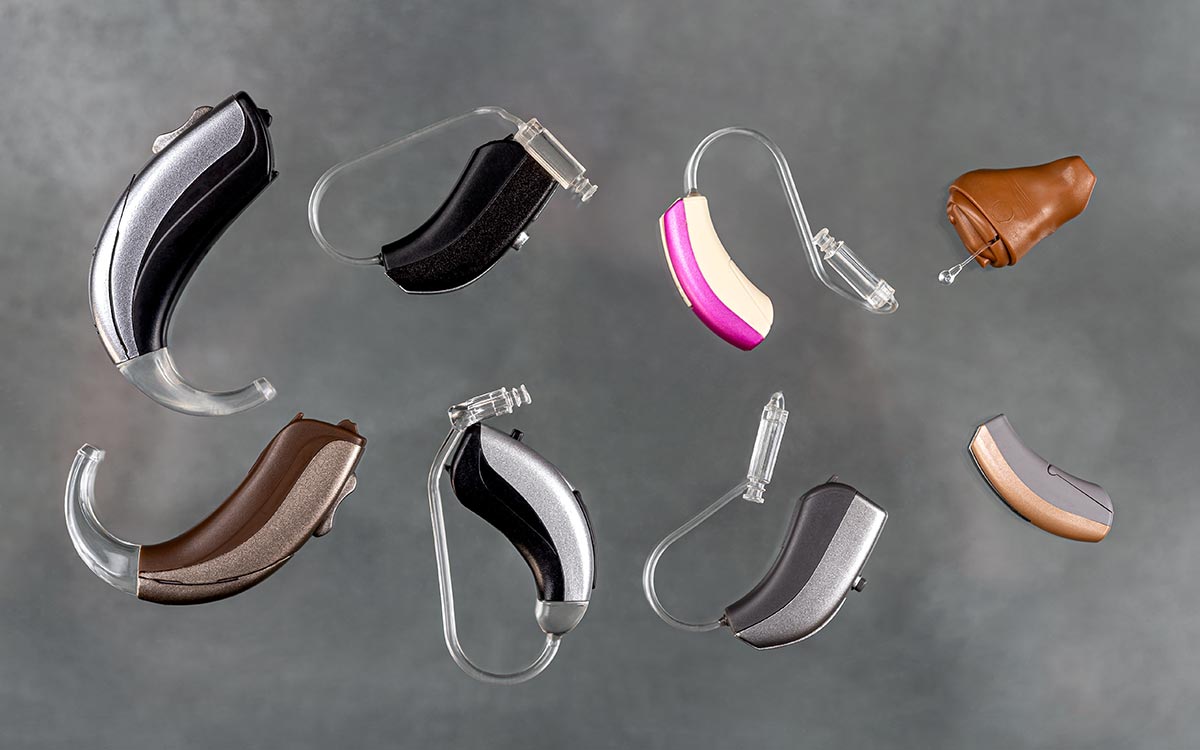
Choosing a hearing aid can feel overwhelming, especially when today’s devices come in so many styles, sizes, and technology levels. However, a specialized hearing solution exists for every person’s unique needs and daily habits. The key is simply identifying the one that fits you best.
Understanding the differences among the most common types of hearing aids can help you feel more informed and confident as you explore your options. This guide examines the most popular styles and highlights the specific advantages each one offers.
Understanding In-the-Canal (ITC) Models
Basic Overview:
ITC hearing aids rest partly in the ear canal, with an inconspicuous portion visible at the outer ear.
The Advantages:
- Less apparent than standard full-size models
- Specifically contoured to the user’s ear for an optimal fit
- Appropriate for mild to medium hearing loss
First-time wearers often lean toward ITC aids because they strike a perfect compromise between size and performance.
Ultra-Discreet Invisible-in-Canal (IIC) Aids
How they work:
These are the smallest custom-made devices on the market today. This style rests deep in the ear for a completely covert appearance.
User Benefits:
- Offers the most understated design of any hearing aid style
- Microphone depth assists in mimicking the ear’s natural sound collection
- Lightweight and easy
Due to their small build, these aids are generally recommended for low-to-mid-range hearing loss and users who want total invisibility.
Full and Half-Shell ITE Options
The Fundamentals:
These models fill either the complete or bottom half of the outer ear bowl. These are custom-fabricated for a precise fit based on your ear’s anatomy.
Why users favor ITE:
- The increased surface area provides space for extra functionality and extended power
- The physical size is simpler to grip and adjust for users with fine motor concerns
- An adaptable choice that can address even significant levels of hearing loss
Many patients prefer ITE devices because they provide an integrated, self-contained design that doesn’t hook over the ear.
BTE (Behind-the-Ear) Basics
Operation:
A BTE hearing aid is worn externally behind the ear for a stable fit. Audio travels through a specialized tube or custom-fit mold into the ear opening.
Common Motivations:
- Known for being exceptionally adaptable and robust
- Work for nearly all degrees of hearing loss
- The spacious housing enables high-tech extras and built-in power cells
If you need a robust hearing aid that is simple to operate and offers high-power output, the BTE style is ideal.
Receiver-in-Canal (RIC) Hearing Aids
Component Layout:
While they match BTE units, RIC aids place the speaker directly in the canal for better sound delivery.
Market Appeal:
- Highly natural sound quality
- Users appreciate the slim profile and comfortable fit for all-day use
- Flexible enough to address an extensive range of hearing impairments
RIC units are extremely common today because they balance appearance with powerful functionality.
Extended-Wear Hearing Aids
Usage Profile:
These unique devices are built to stay in the ear canal for a month or more, managed by your hearing specialist.
User Motivations:
- Provides an effortless journey with no daily maintenance required
- Sitting low in the ear makes them completely hidden from view
- Engineering allows them to remain in the ear during all facets of daily life
For a “hands-off” method of hearing assistance, extended-wear technology is the top recommendation.
Connected Wireless Systems
Tech Specs:
Connectivity-focused hearing aids that use Bluetooth to integrate with your digital life.
Why people choose them:
- Send calls, music, and audio directly to the hearing aids
- Modify settings via a mobile tool
- Provides the ultimate in convenience for those who use smartphones regularly
This wireless technology is found in many modern behind-the-ear and in-the-canal models.
Understanding Middle-Ear Implant Technology
Technical Description:
Middle-ear implants are specialized tools that use mechanical vibration to enhance hearing via the middle ear.
Who they are for:
- Provides a solution for patients with anatomy that prevents the use of conventional aids
- Ideal for users who experience chronic irritation from standard molds
These devices need an exhaustive medical review by an ear, nose, and throat expert.
Finding the Hearing Aid That Suits Your Lifestyle
Selecting a hearing aid is an individualized process that takes into account your hearing severity, lifestyle habits, and visual preferences. An expert can provide the guidance needed to test out different styles and find the one that fits your life perfectly.
Start traveling toward a world of better sound by arranging an appointment with an expert specialist. It’s a great first move toward better hearing and more confident communication every day.
Sources:
https://www.mayoclinic.org/diseases-conditions/hearing-loss/in-depth/hearing-aids/art-
20044116
https://www.hearinglife.com/hearing-aids/types
https://www.nidcd.nih.gov/health/hearing-aids