

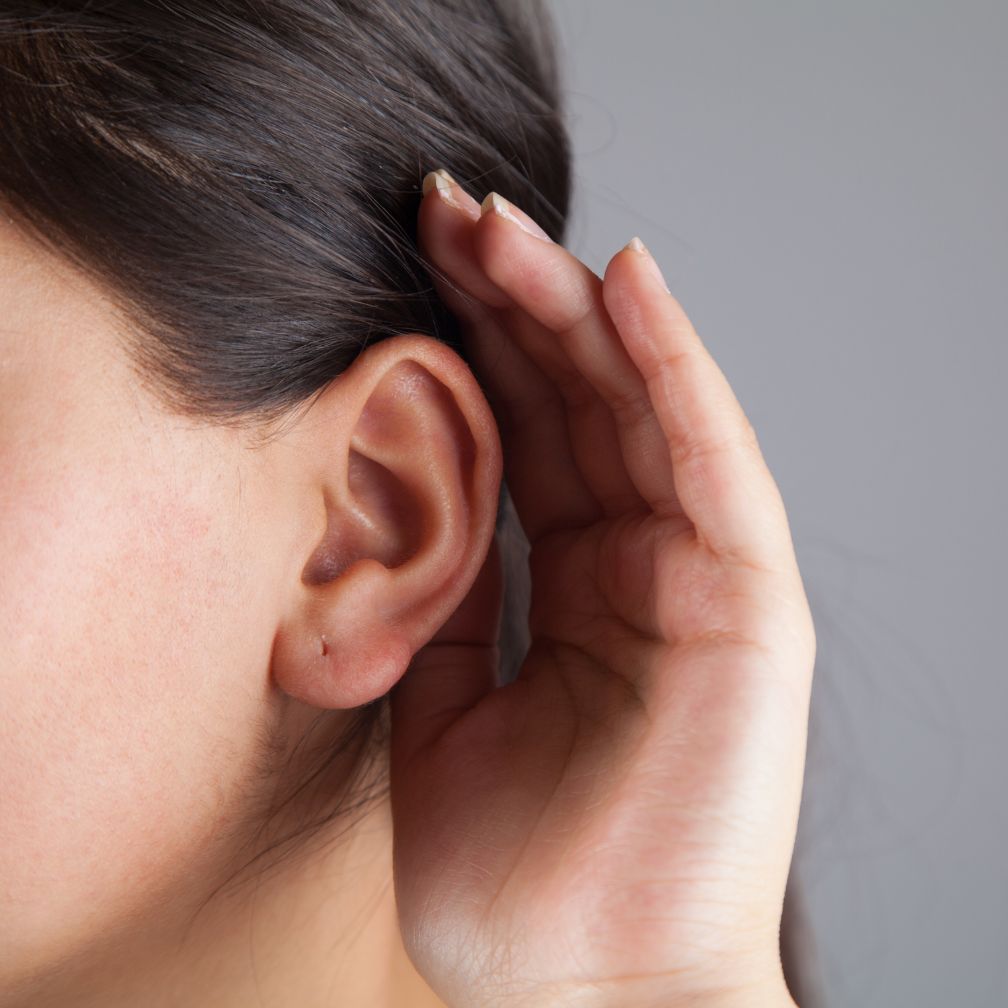
What causes that peculiar, unprompted sound that feels like ambient static or trapped air whispering in your ears? What explains the fact that you are the sole individual capable of detecting this frequency? It’s not your imagination.
Fortunately, your symptoms do not point to “phantom ring syndrome,” a psychological habit among heavy smartphone users who mistakenly believe their device is vibrating or ringing in silence.
But it could be tinnitus. Make no mistake, this perceived internal audio is a legitimate medical symptom, and certain lifestyle habits can rapidly worsen its intensity.
While this background static is present, you can generally still decode the words of those around you. Rather, it simply feels as though an unwanted layer of acoustic static has been artificially superimposed over your entire auditory field.
We will examine why this persistent hum occurs, break down its clinical characteristics, and review what steps you can take to successfully alleviate the symptom.
The Root of Tinnitus: Why Your Brain Tracks This Persistent Hum
From an audiological standpoint, tinnitus is almost always a direct proxy for localized hearing loss. It’s characterized by a constant or intermittent noise that sounds like it’s on top of what you hear. Based on your specific audiological subtype, the internal static might remain completely unobtrusive throughout your normal routine. Conversely, you may be trapped in a severe cycle where the internal static feels absolutely overwhelming, disrupting your concentration and peace of mind.
You’ve probably tried to explain to people what you’re experiencing, but this form of hearing loss is difficult for people to understand if they’ve never experienced it for themselves.
How can this humming noise in my head not be there? You may even question your own psychological stability, wondering if the condition is a form of auditory hallucination. How can it keep me from understanding those around me? Or sleeping?
The Quiet Room Trap: How Inactivity Highlights Internal Buzzing
Most sufferers quickly realize that their symptoms maximize their disruptive power the moment ambient noise disappears. The mechanics are simple: your internal static loses its acoustic camouflage when background sound drops, a reality highlighted by the silent environments people cultivate for sleeping. They operate without a television background feed, avoid running any radio streams, and eliminate all ambient audio. Furthermore, being left alone with your internal thoughts allows the unprompted ear static to command your undivided attention, initiating an anxious loop that makes the volume seem significantly louder. Whether you experience soft or loud noises, low or high pitches, a quiet bedroom at nighttime is the perfect situation for tinnitus to take hold.
The Variable Auditory Profiles of Chronic Tinnitus Explored
Not only does the disorder defy easy explanation to outsiders, but sharing notes with another patient can frequently muddy the waters. Because their internal audio profile may feature entirely unique pitches or patterns compared to your own, you might mistakenly assume your specific condition has a different medical diagnosis.
But chances are, it is. That’s because tinnitus takes many forms and sounds different to different people. Sufferers regularly document internal noises that encompass configurations such as:
- TV static
- An unceasing structural or electrical humming sound
- Buzzing
- The classic, crystalline ringing tone deep within the ears
- Thumping
- The unchanging pitch of a legacy phone line dial tone
In almost all instances, you are completely isolated in your perception of the tinnitus-induced white noise. Because of this, a traditional doctor cannot physically audit or hear the frequency to validate your complaint. Instead, your regular physician must depend completely on your personal testimony to chart the condition.
Regrettably, this inability to physically verify the sound often causes individuals to feel isolated by a primary care provider who doesn’t specialize in permanent hearing loss.
Consider the case of Thomas, a veteran steelworker, who recounted: ‘When the constant buzzing first developed, I brought it up during a checkup with my regular doctor. Although the clinician noted that it was likely a case of tinnitus, he didn’t seem to comprehend how destructive the noise was to my focus.’ He spoke about it like it wasn’t really there. He mistakenly believed I could simply choose to ignore the frequency and completely failed to provide any therapeutic pathways or solutions.”
Consulting a dedicated hearing professional effectively addresses this communication breakdown and unlocks access to advanced medical solutions. Remarkably, the precise texture and rhythm of your subjective audio can yield critical clues that direct the specialist toward the right therapy.
Investigating Vascular Variations: Rushing and Whooshing Frequencies
What makes it even harder to describe this noise to a doctor is the fact that there are so many different ways tinnitus can manifest itself. Consider a scenario where you perceive a fluid-like whooshing or a rhythmic thumping that beats in unison with your heart; this pattern points directly to a distinct condition called pulsatile tinnitus.
The good news is that pulsatile tinnitus can be treated more effectively than regular tinnitus since it’s usually caused by one or more health problems, like high blood pressure or issues with your arteries.
This distinct vascular whooshing can stem from turbulent blood flow forcing its way through constricted cranial vessels, a physical phenomenon clinically identified as a bruit. Securing an immediate, thorough diagnostic evaluation for this pattern is vital; in rare instances, this vascular turbulence serves as an early indicator of an impending neurological crisis or ischemic stroke, both of which are life-threatening events.
The Auditory Reality of Pulsatile Symptoms: External Verification Options
To be completely clear, this internal static is an authentic and incredibly frustrating neurological impairment. Although regular ringing escapes external tracking, unique objective cases allow an ear specialist to leverage diagnostic listening tubes to physically capture the precise internal sound passing through your tissue. Remember, this external diagnostic confirmation is exclusively possible within vascular profiles, which occur far less frequently than standard subjective ear ringing.
What Triggers the Ringing? Uncovering Your Personal Path of Injury
Statistically, the primary driver of chronic ear ringing is prolonged, repeated exposure to high-decibel environmental noise. Consequently, we see a massive volume of cases among stage performers, industrial operators, and manual laborers who face heavy acoustic strain day in and day out over decades.
Occupational data highlights several high-risk industries where workers frequently develop severe auditory ringing, including:
- Industrial Manufacturing – Spending an eight-hour shift surrounded by heavy mechanical equipment inflicts severe, cumulative strain on your delicate auditory architecture. Compounding the physical decibel load, industrial environments are inherently high-stress, a psychological variable that actively accelerates and worsens central tinnitus perception. For instance, operators positioned near a pneumatic riveter face extreme hazards, as these tools blast over 125 decibels—a threshold capable of inducing instant, irreversible cochlear death and violent tinnitus.}
- Modern Farming – Don’t blame it on the roosters. While those loud, early-risers clock in at around 90 decibels, there are many things on the farm that are much louder. Tractors, combines, cherry-pickers, milking machines… all of these farming implements make a lot of noise. Need to repair the fence? Even your table saw can pump out over 85 decibels, which is damaging over long periods of time.}
- Pilot – A jet engine is a staggering 140 decibels, even if you’re 100 feet away. While pilots do tend to wear ear protection, they’re often right next to these engines in smaller crafts. There’s no ear protection strong enough to protect them against this constant exposure, so all those hours spent in the air getting their pilot’s licenses are also causing them to slowly lose their hearing.}
- Motorcycle Cop – You don’t have to be a police officer to ride a motorcycle, but any job that has you riding around on this noisy vehicle all day puts you at risk of developing tinnitus and eventually losing your hearing. The same goes for snowmobiles and jet skis…though chances are you’re not riding these vehicles at work unless you have a very interesting and, let’s face it, fun job.}
- Hospitality Work – Fulfilling orders in a popular nightclub requires you to constantly separate human speech from an overwhelming background environment. The amplification systems in these establishments are routinely set to hazardous levels, forcing your ears to work in overdrive just to decode a simple sentence over the roar. Should your establishment regularly host live concerts or loud acoustic events, your ears are absorbing the exact same cellular damage that causes hearing loss in professional musicians.}
In each of these scenarios, the primary cause is the mechanical destruction of the tiny hair cells housed inside your internal ear labyrinth due to relentless noise. These specialized cells act as the body’s natural microphones, capturing frequencies and allowing your mind to comprehend speech and music. Unlike the rest of your body, when these hairs are damaged, they don’t heal or reproduce, and leave you with a distorted sense of hearing.
Everyday Variables That Can Cause Your Ear Ringing to Flare
While sound exposure remains the primary cause, several everyday health and environmental variables can drive up the volume of your internal ringing.
- Mental Health Challenges – Living with generalized anxiety or depression creates a highly frustrating catch-22 scenario. The moment your stress or mood drops, your neurological sensitivity to the ear ringing spikes, which immediately causes your psychological distress to worsen in response.}
- Failing to Protect Your Hearing – Your ears are highly sensitive and will ache when subjected to dangerous decibel levels. Do not try to be tough or tolerate the volume—take immediate steps to shield your ears, because you only get one set of auditory organs for life.}
- Circulatory Stress – Neglecting your cardiovascular metrics can compromise the delicate arteries supplying your internal ear networks. This lack of proper blood flow causes immediate spikes in internal head noise and steadily worsens your overall hearing loss over subsequent years.}
- Smoking and Tobacco Use – The chemical dependency and restlessness that develops between nicotine doses directly amplifies your internal ear noises. While smoking another cigarette appears to calm the symptoms temporarily, it is actually accelerating the core damage by damaging the micro-vessels that support your hearing pathways.}
- Dietary Triggers – Clinical evidence indicates that high doses of caffeine and certain artificial sweeteners can act as neural stimulants, making tinnitus appear louder. We recommend maintaining a detailed dietary log to track your meals alongside your daily symptom spikes, allowing you to isolate and eliminate individual chemical triggers.}
- Social Environments – Interacting with highly critical or anxiety-inducing people can elevate your heart rate and worsen your ear static by provoking stress and depressive patterns. It is vital to audit your close relationships to protect your health, determining whether these connections are worth the toll they take on your auditory peace. Ultimately, you cannot control how other people act, but you have complete control over how often you interact with them.}
- Gestation – Statistically, roughly thirty-three percent of expectant mothers develop acute tinnitus symptoms, which are primarily driven by rapid hormonal shifts and natural fluctuations in blood volume and pressure.}
- Impacted Cerumen – A dense accumulation of earwax pressing directly against the tympanic membrane can distort sound and generate bizarre phantom noises. Securing a professional microsuction or debridement procedure to clear the wax can, in many instances, instantly eliminate the ringing.}
- Pharmaceutical Interventions – Many standard therapies—ranging from prescriptive opiates and heavy antibiotics to common diuretics, cancer treatments, and basic aspirin-based painkillers—can damage the delicate structures of the inner ear. It is critical to coordinate with an otolaryngologist and your managing physician to map out the ototoxic risks of your prescriptions.}
What Treatments Actually Work? Navigating Your Rehabilitation Choices
Your first step should always involve addressing any concurrent medical concerns with a primary care provider. Certain diseases will actively escalate the loudness of your symptoms, with clinical anxiety and high blood pressure being prime examples.
Once any known medical condition has been treated, it’s time to look at other options. Your rehabilitation roadmap can successfully integrate options like:
- Relaxation Practices – Engaging in deep meditation, mindfulness yoga, or low-impact exercise can significantly downregulate your body’s fight-or-flight triggers. Cultivating healthy, substance-free coping mechanisms for life’s pressures is a discipline few people acquire during childhood or standard schooling. Nevertheless, thousands of individuals choose to master these tools later in life because they are highly effective at quieting the internal static.}
- Nocturnal Audio Camouflage – Utilizing soft, steady background static while you rest offers instant relief by reducing the contrast of the internal ringing. Make sure you never make the mistake of trying to completely submerge the symptom with loud earbuds or high-decibel environmental noise. That counterproductive habit will only accelerate your permanent hearing loss and increase the intensity of your symptoms as time goes on.}
- Therapeutic Hearing Instruments – Contemporary assistive listening devices can be customized to actively mask or cancel out the internal static. Today’s hardware is equipped with cutting-edge software suites designed specifically for targeted tinnitus suppression. Your hearing care professional can program these microcomputers during your initial fitting to match and nullify the exact pitch vibrating inside your head.}
- Targeted Sound Therapy – This advanced treatment path focuses on neural habituation, teaching your brain to naturally dismiss the phantom signal. Sound professionals leverage specialized audio devices to play a matching tone directly into your ear canal. This continuous, low-level stimulation helps your cognitive processors relegate the ringing to the background, allowing you to refocus your attention on meaningful external sounds.}
- Cognitive Behavioral Therapy (CBT) – This evidence-based psychological intervention is expertly designed to dismantle negative behavioral patterns and stress cycles. For patients who frequently ruminate on distressing news or worry about external situations they cannot influence, CBT offers an ideal solution. It systematically coaches your mind to redirect its energy toward positive elements and areas where you maintain true autonomy, which rapidly reduces the stress that feeds your tinnitus.}
Can Ambient Static Completely Eliminate Chronic Ear Ringing?
We have all heard the expression regarding fighting fire with fire, but does it make clinical sense to combat internal static with external static? A recent study in England found that while white noise therapy helps those afflicted by tinnitus, it needs to be paired with additional treatments.
There is currently no known cure for tinnitus – only treatments that can help you better manage your symptoms.
What should be your primary line of defense when dealing with chronic head static? Before initiating any treatment, you must undergo a formal, high-definition hearing assessment. The results will pinpoint the precise extent to which your phantom noises are interfering with your capacity to decode spoken language in social settings. Armed with that objective audiological data, you can collaborate with your local ear specialists to build a customized treatment framework.
Audio Illusions: Explaining Phantom Melodies and Speech in Background Noise
This probably isn’t tinnitus. Furthermore, you can immediately set aside any panic or anxiety regarding your mental health; this experience is absolutely not a sign of schizophrenia or a severe psychiatric disorder. Statistically, you are simply experiencing a well-documented neurological effect called Musical Ear Syndrome, pattern-seeking apophenia, or acoustic pareidolia. These illusions occur because your central nervous system relies heavily on advanced pattern recognition to constantly organize and decode ambiguous environmental noise. Sometimes it misinterprets what it hears. Specifically, audio pareidolia is the precise mechanical process where your brain converts meaningless background static into a structured audio track you remember, like a melodic tune. Alternatively, if you perceive vivid songs playing when your immediate surroundings are completely devoid of any real-world sound pressure, you are likely navigating a benign musical hallucination.