

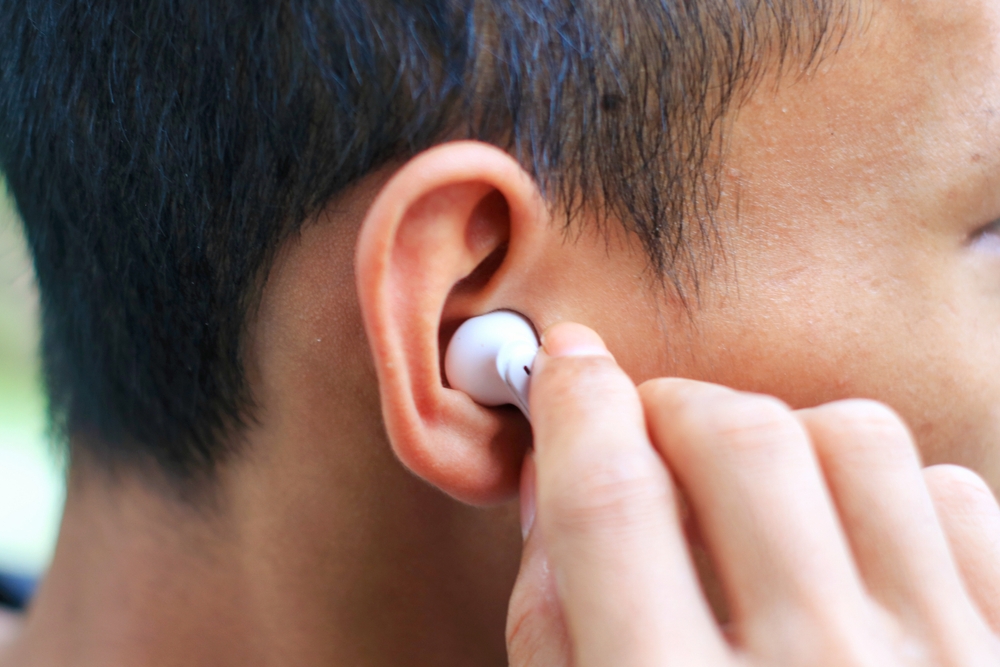
Rarely do we see a young adult in public without an earbud in their ears. Though over-ear headphones are more bulky, the younger demographic still relies on them for environmental isolation. The appreciation for music is a cross-generational trait, yet younger individuals often depend on it for constant background stimulation. So, can headphones cause hearing loss since they are so close to our ears? It’s not the device itself, but how we use it.
The Risks of Prolonged High-Decibel Exposure
Acoustic stimuli can act as a sedative, an emotional balm, or a powerful stimulant depending on the tempo. The outcome is entirely dependent on the genre and frequency of the audio. Using a headphone or an earbud is a polite way to listen without disturbing others. That’s a positive thing, and most people will tell you that they are grateful and prefer that on a train or bus.
From an audiological perspective, we must define the specific thresholds for safe volume and exposure duration. In reality, excessive sound pressure is universally hazardous to the delicate structures of the cochlea. Sustained exposure to extreme volumes can result in irreversible trauma to the auditory nerve. Because auditory decline is often a slow, cumulative process, the damage is frequently advanced before symptoms are noticed.
Why Earbuds Pose a Unique Threat to Hearing Health
Sound pressure level is the primary variable in the development of **NIHL**. However, the duration of the exposure matters as much as the volume.
- Clinical guidelines from the NIH suggest that listening at or below 70 dB prevents damage regardless of the duration.
- Louder noises will cause hearing damage faster than quieter sounds.
- To protect your ears, utilize the 60/60 guideline: never exceed 60% power and rest after 60 minutes of use.
- Ensuring long-term hearing health requires a proactive reduction in volume and strict limits on listening time.
Indicators That You May Need a Hearing Evaluation
If you notice muffled speech, struggle with background noise, experience **tinnitus**, or constantly require others to speak up, a professional evaluation is necessary.
If you suspect a decline in your hearing, contact our office to begin a professional diagnostic process.