

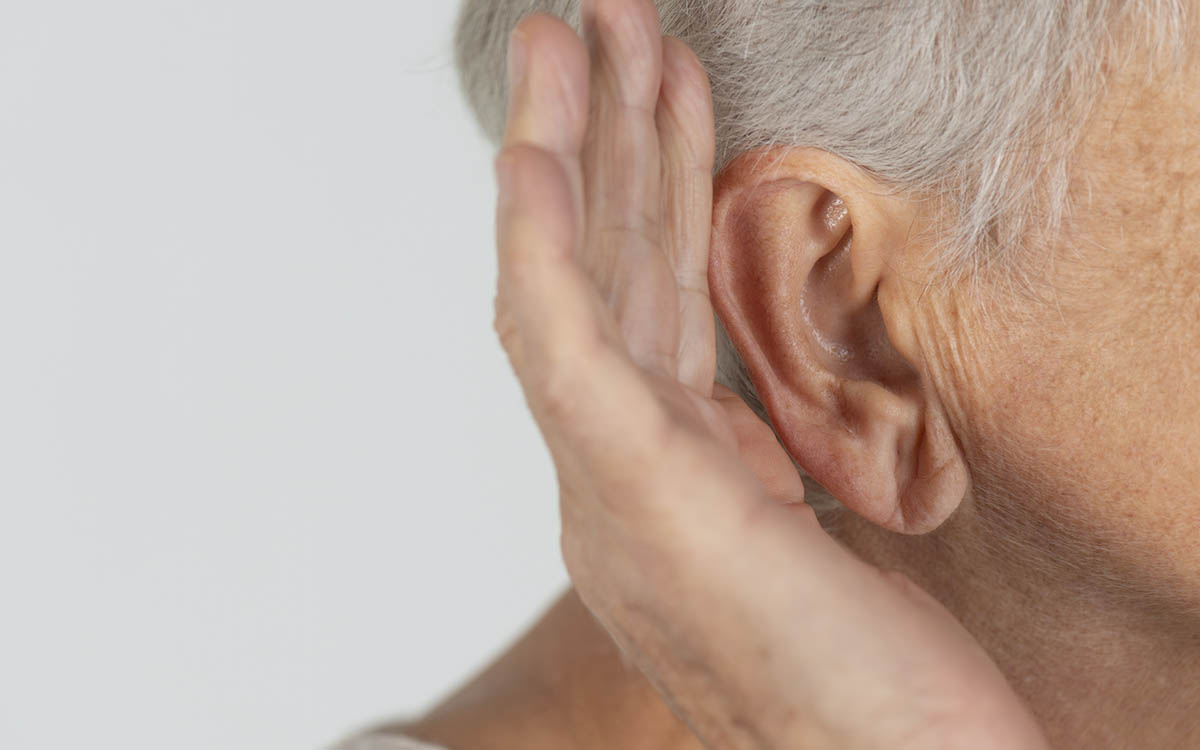
Public perception frequently ties hearing loss with getting older, though for a significant portion of the population, ear injury manifests significantly sooner. As one of the most prevalent and avoidable types of auditory impairment, noise-induced hearing loss typically progresses slowly, advancing subtly and remaining undiagnosed until the clinical effects are permanent.
Understanding how noise exposure impacts your ears over time is essential for implementing safeguards before substantial hearing loss manifests.
Understanding the Clinical Nature of Acoustic-Related Hearing Loss?
Noise-induced hearing loss occurs when loud sounds damage the delicate structures inside the inner ear. Data from the CDC indicate that, acoustic levels surpassing 85 decibels can induce ear damage following repeated or lengthy exposure. Higher intensity sounds, including those generated by machinery, music venues, or firearms, may result in immediate damage.
The inner ear contains microscopic sensory receptors known as hair cells. The function of these cells is to transduce mechanical vibrations into neural impulses for cerebral processing. Following injury, these hair cells lack the biological capacity to regenerate, which renders noise-related hearing loss an irreversible condition.
Tracking the Accumulation of Ear Damage
A primary clinical concern regarding noise-induced hearing loss is its typically slow rate of progression. Early-stage symptoms resulting from noise exposure often include:
- Short-term episodes of Tinnitus or buzzing within the ears
- Post-exposure auditory dullness or perceived muffling of sound
- Difficulty understanding speech in noisy environments
These early warning signs may fade, leading people to assume their hearing has “recovered”. Despite the lack of symptoms, persistent noise exposure causes cumulative injury to the ear, steadily eroding hearing precision.
The Hearing Loss Association of America reports that approximately 48 million Americans experience some degree of hearing loss, often without recognizing the contributing factors.
Recognizing Routine Sound Hazards to Auditory Longevity
We live in a noisy world, and it’s easy to become desensitized to loud sounds. Due to this, the commonality of injurious sound exposure often goes unrecognized.
Typical noise-generating sources consist of:
- Professional music performances and concert environments
- Personal audio devices utilized at excessive decibel levels
- Motorized landscaping equipment, power machinery, and vehicles
- Professional exposure to high-volume noise in manufacturing and labor industries
The everyday occurrence of these sounds allows for progressive damage to develop without obvious warning.
Prioritizing Proactive Care in Clinical Hearing Management
Noise-induced hearing loss is physiologically irreversible, unlike many other health impairments. However, it is highly preventable. Risk reduction can be achieved through fundamental protective habits, including:
- Utilizing hearing protection devices like earplugs in noisy settings
- Limiting headphone decibels and implementing the 60/60 rule for safe listening
- Incorporating auditory rest periods to allow for physiological recovery
- Ensuring consistent Audiology check-ups for those in high-noise environments
Indications for Expert Hearing Evaluations
The presence of chronic Tinnitus, impaired speech recognition, or altered auditory clarity warrants a professional Audiology consultation. Early intervention through an Audiologist allows for the monitoring and implementation of essential protective measures.
Implementing protective measures today safeguards your auditory capacity for the years ahead. Environmental sound may be constant, but the development of hearing loss is not inevitable. We invite you to schedule an appointment with our team to optimize your hearing function.